
Foundation Training in RC Testing:
Trainers’ Guide on Visual Comparison Test for
Residual Chlorine in Municipal Water.
A. Rationale:
Regular testing of residual chlorine is essential for protection of public health. The presence of residual chlorine not only provides disinfection it also serves as an indicator of water quality. Field Testing of free Residual Chlorine (FTRC) at the consumer-end indicates the level of protection to treated water in transit. That is why municipal water utilities, depending on the size of their distribution network, engage large number of ‘sample takers’ for field testing of residual chlorine in service reservoirs and live municipal water supply at the consumer-end. Communities may engage water action volunteers to check the level of residual chlorine to assess the quality of their water supply and report to water utilities for remedial measures.
The purpose of foundation training program is to develop skills of newly recruited water quality monitors, sample takers, water operators and water action volunteers in residual chlorine testing by visual comparison method and collection of water samples for laboratory testing.
B. Contents of DPD-Rapid Visual Comparison Test Kit:
The DPD rapid test kit consists of; (a) Visual grade DPD Rapid tablets, (b) a 5-ml test tube or 10 ml test tube with 5 ml mark, and (c) laminated chlorine colour chart (Figure 1).
Figure 1: Contents of a DPD Rapid Test Kit
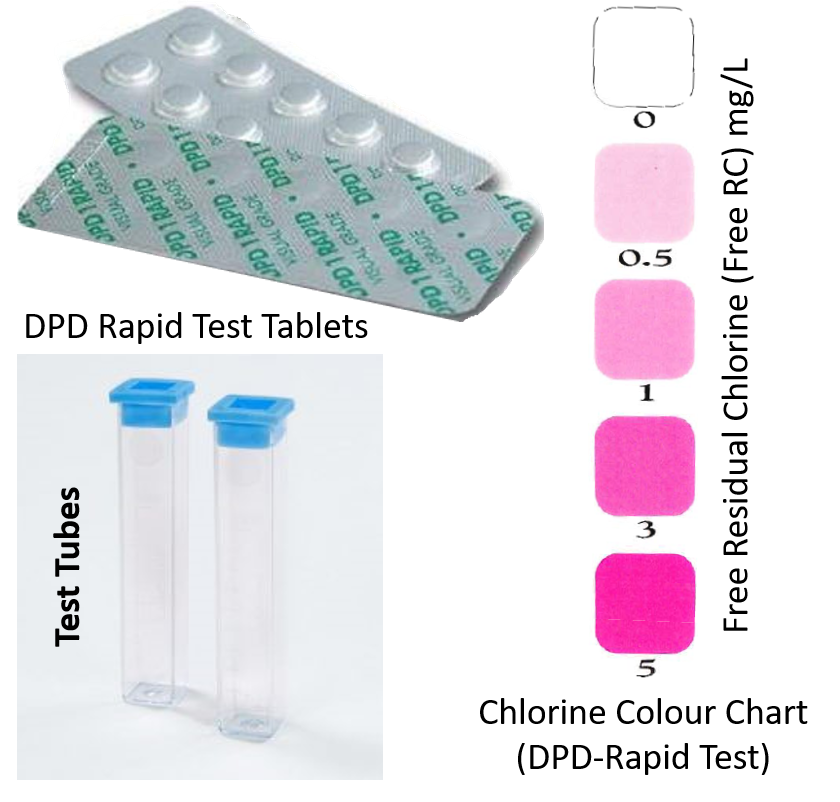
We use LaMotte’s Chlorine DPD #1 RAPID TesTabs® (https://lamotte.com/chlorine-dpd-1-rapid) which comes in a blister-style foil-packaging, that allows users to dispense a tablet into the test tube by pressing the tablet through the foil. This tablet is formulated for 5 ml water sample.
For test tubes, there are two alternatives, namely; (a) LaMotte’s 10-ml plastic tube, and (b) 5-ml borosilicate screw cap tubes. The LaMotte 0106 square plastic test tube, primarily designed for the chlorine octa-slide kit can be used. This 10 ml tube is marks at 2.5 ml, 5.0 ml and 10ml. While using the 10-ml plastic tube, this tube should be filled half-way up to the 5ml mark. Inadvertent filling of the tube to its full capacity of 10 ml, while using a DPD tablet formulated for 5-ml sample, would underestimate the level of residual chlorine. As these tubes are being imported, they are relatively more expensive compared with local alternatives in India. However, there is a possibility that the long test tubes are easier to grab while pressing the foil strip on its mouth to release the DPD tablet. On the other hand, several brands of 5-ml screw cap borosilicate glass bottles manufactured in India are available. These are comparatively less expensive.
To compare ease of handling of the above two options, we provided both options to several batches of trainees during the course of foundation training of water action volunteers on visual comparison test for RC, conducted during November-December, 2025. Trainee water action volunteers were found to be more comfortable with the 5-ml borosilicate screw cap bottle option. Advantages of the 5-ml borosilicate screw cap bottle, cited by the participants and trainers include the following; (a) As the total volume of the tube is 5-ml, the chance of taking excess sample volume is minimal, (b) even though smaller in size the 5-ml glass bottle, there is no difficulty in grabbing in one hand while pressing the foil pack on its mouth to release the DPD tablet, (c) Periodical cleaning of glass bottles with soap and water would be easier, and (d) the glass bottles would remain transparent for longer period, while the clear plastic tube would develop haziness or cloudiness due to physical stress.
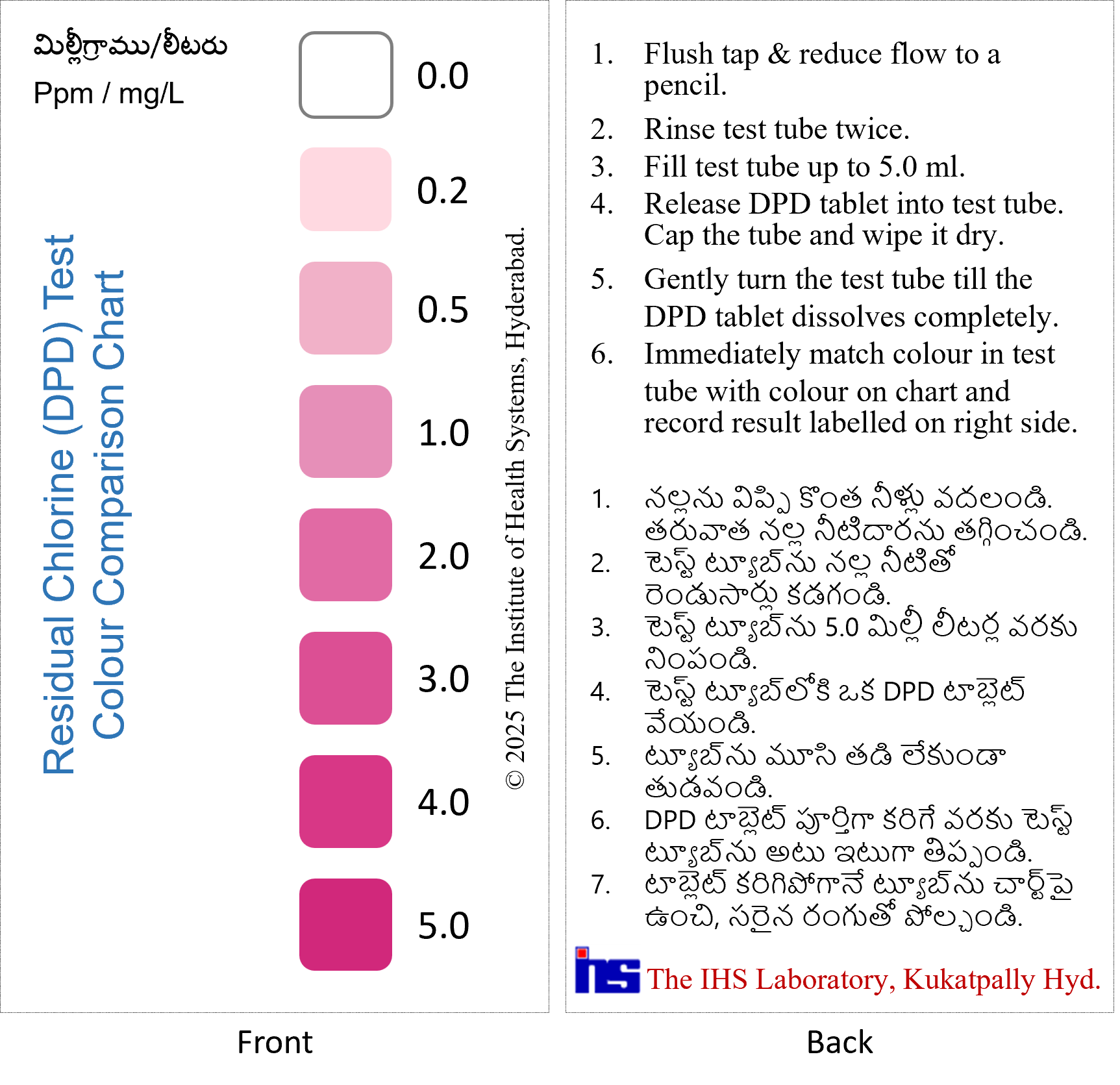
Shades of pink colour rectangles in the colour charts are calibrated for different levels of free chlorine. Higher the level of free chlorine deeper is the colour of the DPD reaction. Lighter shades of pink mean lower levels of residual chlorine. Long exposure to sunlight and humidity would gradually fade the colour chart. Degraded colour charts become less reliable over time. Hence, laminated colour chart should not be exposed to sunlight, when not in use. Faded and degraded colour charts should be replaced by new ones. The Residual Chlorine (DPD) Test Colour Comparison Chart has been developed by the IHS Laboratory by calibrating the shades of pink colour rectangles by DPD test of chlorine-spiked water with known concentration of residual chlorine.
Figure 2: IHS Residual Chlorine Colour Comparison Chart.
C. Place and Time for Residual Chlorine (RC) Testing:
Where To Test? Selecting Sites for RC Testing:
Live supply of municipal/metro water should be tested for residual chlorine. This is because we want to check if the metro water supply has been well-protected during transit from water treatment plant / service reservoir to consumer premises. Sufficient residual chlorine in municipal water means that treated water was protection against contamination, during transit in the distribution system. If there is house tap on the municipal water connection to the household, then chose that house tap. Sometimes the municipal supply pipe opens directly into a sump. In such cases, open the sump-manhole cover and catch a sample from the municipal supply as it falls into the sump but before it mixes with the stored water.
Chlorine does not stay for long in stored municipal water, as it either evaporates quickly. Some chlorine may also be consumed by organic matter in the sump/tank. Hence, testing for residual chlorine by taking stored water samples does not give us reliable information about quality of municipal supply. If sufficient residual chlorine is present in freshly collected & stored water, we can conclude that the municipal supply had sufficient residual chlorine. But if there is no residual chlorine in stored municipal water, we cannot say for sure, if there was no residual chlorine in the municipal supply or the residual chlorine in municipal supply has evaporated and/or consumed during storage.
When To Test? Selecting the Day & Time for RC Testing:
Most areas in Hyderabad receive intermittent water supply. The supply duration may be from 1 to 3 hours. Some areas receive daily, some on alternate days and some other areas may receive supply once in 3 days. The HMWSSB usually follows a regular pattern, so that the day and time of supply for an area is known to all concerned. However, some area may face irregular supply day and/or time. Sample takers, water quality investigators and water action volunteers should familiarise with supply days and supply time in their operational areas. The exact supply days & time for any given area can be ascertained from the HMWSSB staff in the concerned service reservoir and/or the Lineman responsible for operation of valves controlling supply to the concerned areas. It is advisable, in addition, to identify some watchful residents in each area and maintain rapport with them so that one can get up to date information about actual supply time. Residual chlorine testing and sample collection work should be taken up on water supply days during actual supply hours.
Note that bottled water plants do not add chlorine to their product water. Since treated water is packed in clean and sterile cans and sealed at the bottling plant, there is no scope for contamination in transit, unless the seal is broken. Thus, there is no need to add chlorine for protection in transit. Hence, do not test for RC in bottled water. Instead, advise consumers to check integrity of seal, accept those with their seal intact and reject cans with damages seal. Samples for bacteriological analysis can be taken to rule out microbial contamination.
- Test Residual Chlorine in Live Supply of Municipal / Metro Water.
- Test Residual Chlorine on water supply days and during actual supply hours.
- Testing of Stored Water from Taps Connected to Domestic Overhead Tank Would Not Give Correct Information about Residual Chlorine in Municipal Supply.
- Do not test RC in bottled water. Advise consumers to check integrity of sealed cans. Samples for bacteriological analysis can be taken to rule out microbial contamination.
D. Steps for RC Testing by Visual Comparison:
- Properly wash your hand before starting RC Testing work: First, wet both hands with clean, running water and apply a little soap. Then, scrub all surfaces of your hands, including the backs, between your fingers, and under your nails, for at least 20 seconds. Rinse your hands thoroughly under clean, running water. Finally, dry your hands with a clean towel/cloth/handkerchief or air dryer.
- Be ready with the test tube and a tissue paper or clean cloth to wipe the test tube. Have the DPD R1 tablets readily and laminated colour comparison chart readily accessible.
- Most municipal supply house taps would not have a sink or basin under it as many households collect drinking water from municipal supply tap by placing pots and pans under it. These house taps would usually have a ground level platform. In such situations, place a bucket under the tap to minimise wastage of water and avoid splashing onto your clothes & spreading of on to your foot wear.
- Open tap fully and flush the line by letting the water flow for a couple of minutes. This clears stagnant water in the connection pipe, so that we can test a sample from current supply. This step can be skipped, if the consumer is already collecting municipal supply from the house tap or if the municipal supply is already falling into sump/tank for some time, Inadequate flushing may give wrong results, as stagnant & stale water in the pipeline would not have any residual chlorine. When municipal supply starts, it pushes stagnant (stale) water through the house tap. One way to check if the house tap is delivering current supply is to run your finger through the stream of water from the house tap and feel the temperature. Arrival of current day supply is often indicated by a change in temperature of the initial stream of stale water and the stream from current supply. If you have to collect sample from the municipal connection pipe opening directly into a sump do not run your finger through the stream. Instead, just let the municipal supply fall into the sump for a few minutes and then collect a sample for testing.
- After flushing, turn the tap gradually to reduce flow to get a smooth pencil like flow. This will make it easier to catch the required sample in the test tube, while minimising splashing.
- Hold the test tube in one hand, and open it by grabbing and twisting the cap in the other hand while avoiding contact with the tip and inside part of the cap. This is meant to avoid contamination of organic matter from one’s hand. Contaminating organic matter will consume some chlorine in the sample and would affect accuracy of test result.
- Rinse the test tube in the flowing tap water twice. Then fill the test tube to 5 ml mark.
- Align a DPD R1 tablet in foil pack on mouth of the test tube and press the blister pack from top to release the tablet into the test tube.
- Cap the test tube and wipe it dry. Gently turn the test tube till the DPD tablet dissolves.
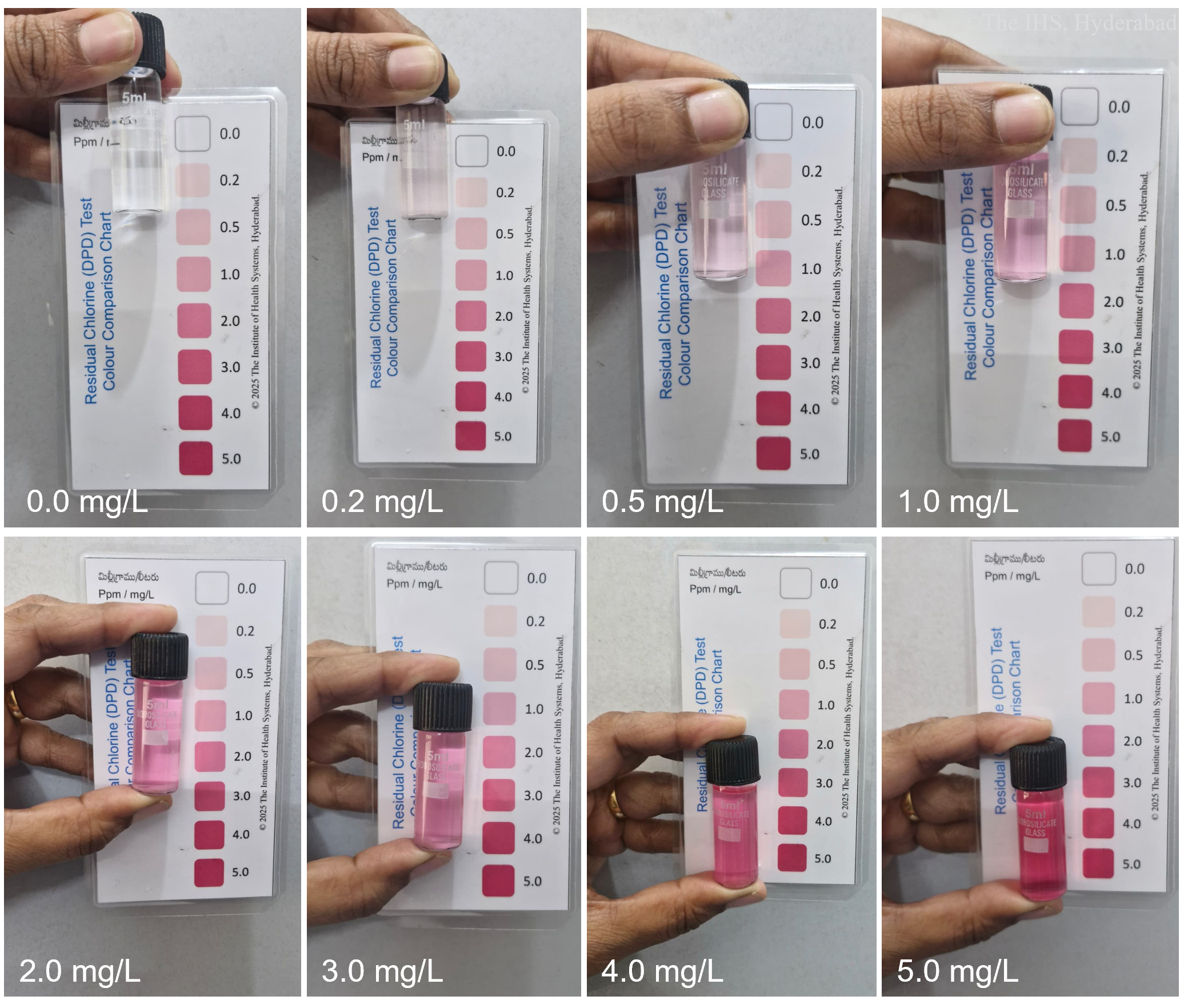
- As the DPD R1 tablet dissolves a pink colour will develop gradually, if the water contains chlorine. Shake the test tub gently or turn it upside down a couple of times (Figure-6) till the tablet dissolves completely. Compare colour of the test tube with the laminated colour chart immediately (Figure-7).
- While comparing colour in the test tube with the comparison chart avoid air bubbles.
- For accurate comparison, hold the test tube alongside the laminated colour chart, at your eye level, in the shade, with light source (daylight or sunlight) behind you. Avoid direct sunlight or other sources of strong light. Adjusting your position relative to the light source helps to eliminate distracting reflections that can obscure the actual measurement. Slide the test tube and/or rotate the chart slowly. Match test tube's colour to the closest standard on the chart, or estimate its value if it falls between two standards.
- Match colour in test tube with colours on the chart and identify the closest matching colour. Read label of that colour as test result of residual chlorine. If the test tube colour is in-between two colours, then interpolate the mid-point of the labels and report test results accordingly.
- Rotate the test tube to compare its colour from two directions.
Figure 3: Proper Hand Washing - Steps.
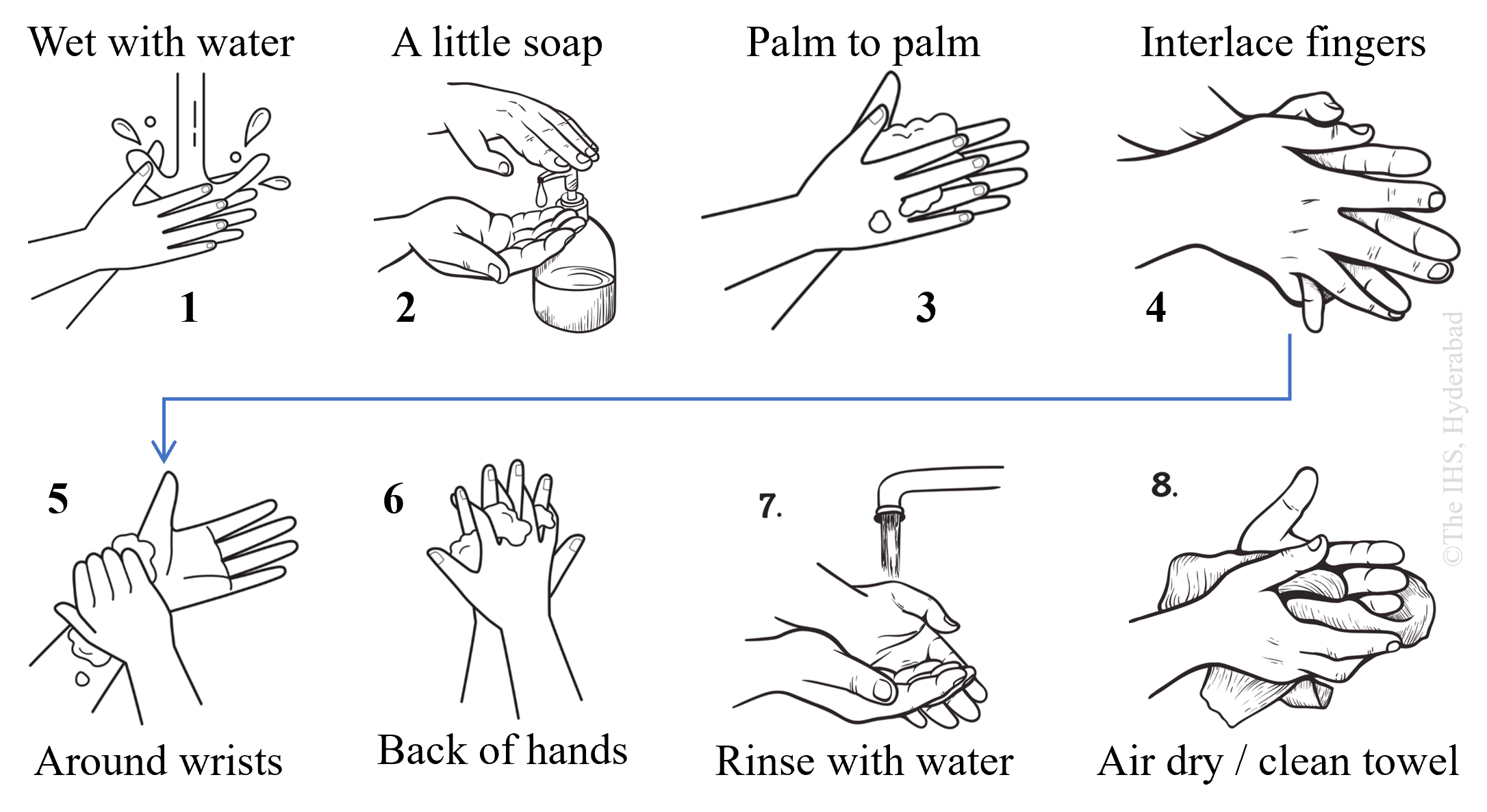
Figure 4: Place a bucket, Flush tap and Reduce flow to a smooth stream.
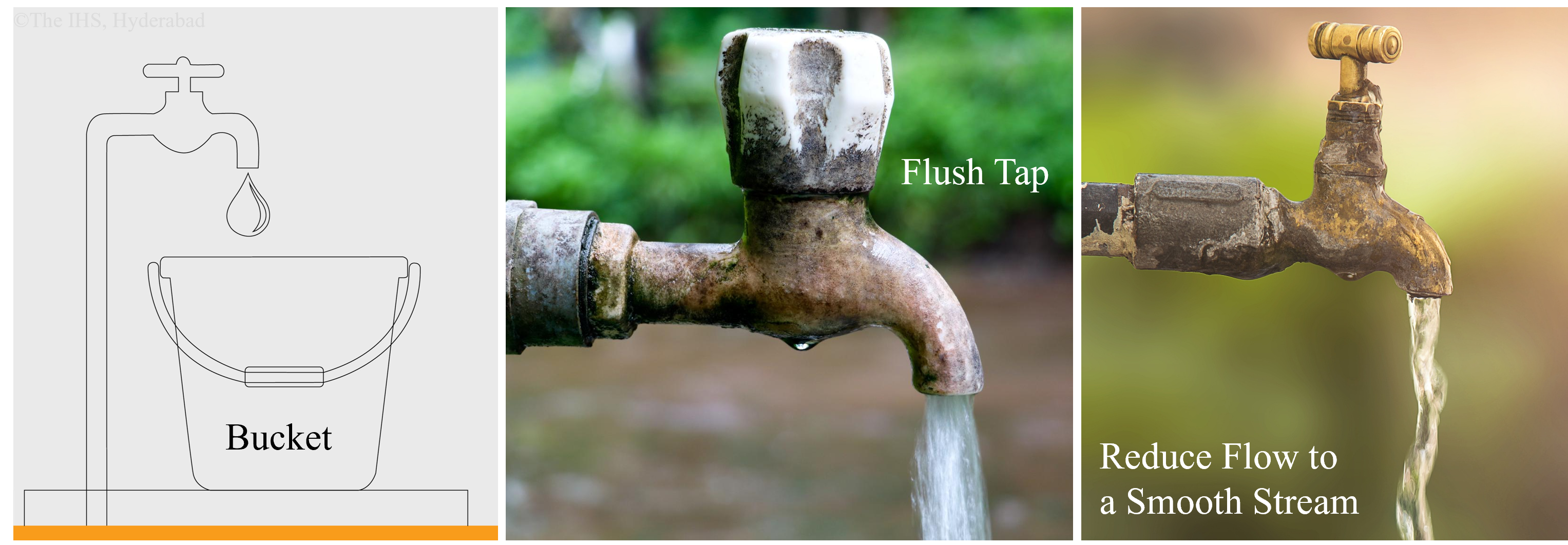
Figure 5: Rinse test tube and fill 5 ml sample for RC testing.
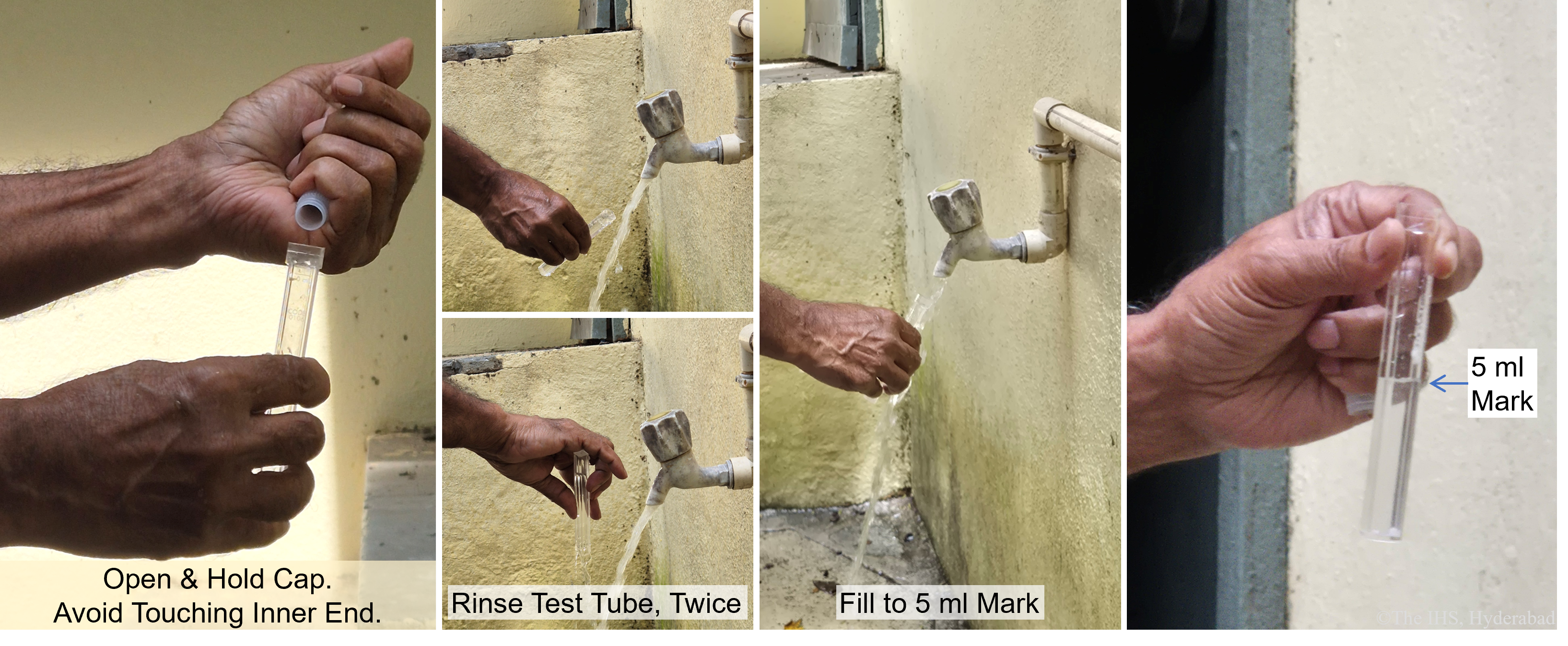
Figure 6: Press DPD tablet into the tube, tilt gently till the tablet dissolves.
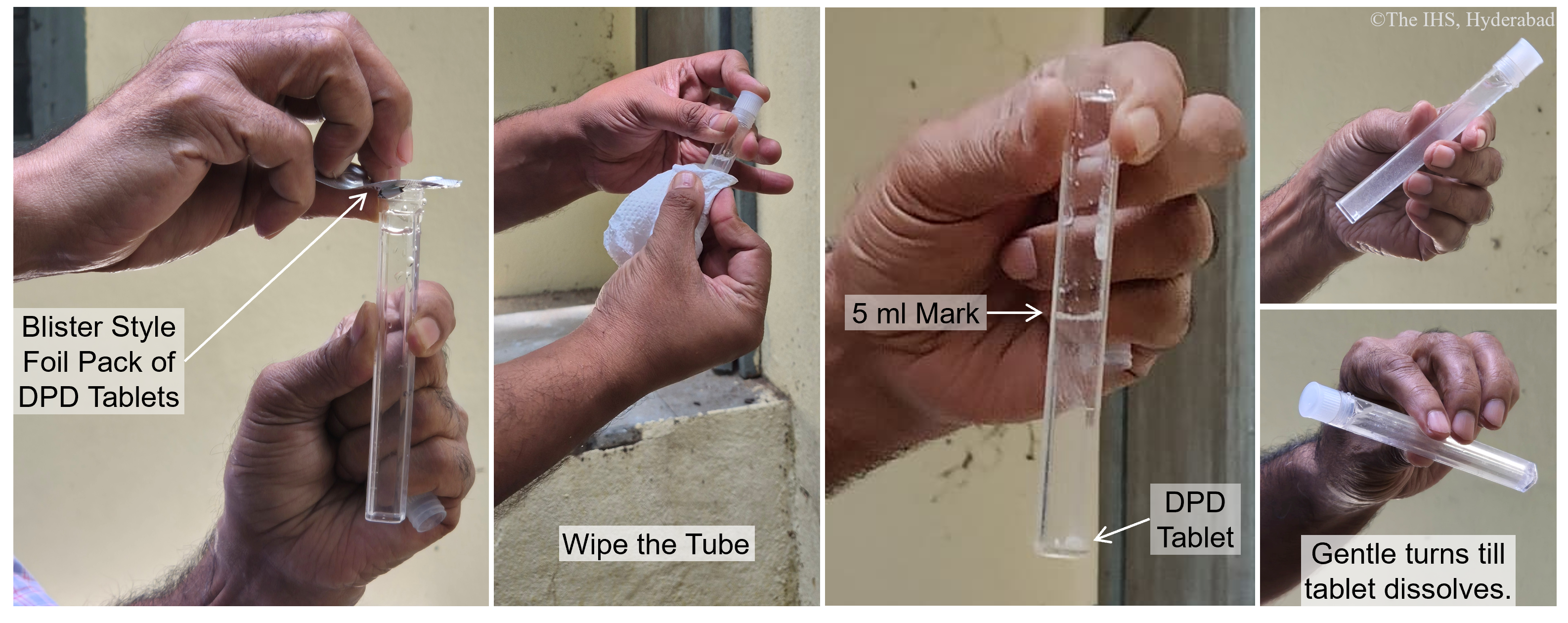
Figure 7: Matching colour developed in test tube with colour chart to read RC value.
- Always compare colour in the test tube with the colour chart at your eye level, in the shade, facing opposite direction to source of daylight.
- Avoid direct sunlight, while comparing test tube colour with the chart.
E. Arranging Spiked Chlorinated Water Dispensers for Practice:
- All candidates should experience the DPD colour development and comparison process along the full range of residual chlorine values expected in any municipal supply. The Indian standard for drinking water quality (IS10500, 2012) specifies a general minimum of 0.2mg/L tested at the consumer-end (households). When protection against viral infection is required, the minimum residual chlorine level at the consumer end should be 0.5mg/L. The maximum permissible level of residual chlorine is set at 1.0mg/L by IS10500 for aesthetic reasons. The World Health Organization (WHO) recommends that there should always be a minimum of 0.5mg/L RC at all points in a piped supply, particularly when there is risk of cholera. In areas where there is little risk of a cholera outbreak, there should be a chlorine residual of 0.2 to 0.5 mg/L at all points. Too much chlorine in water gives rise to a bleaching powder smell. Hence, the WHO specifies a maximum permissible limit of 5.0mg/L residual chlorine. The range of free chlorine values in the visual comparison chart of DPD test kit (Figure 1) is from 0 to 5.0 mg/L. Hence, the full range of 0 to 5.0 mg/L RC values in water should be reproduced for purposes of training and practice. This can be achieved by spiking measured volumes water with required amount of sodium hypochlorite solution, which contains chlorine.
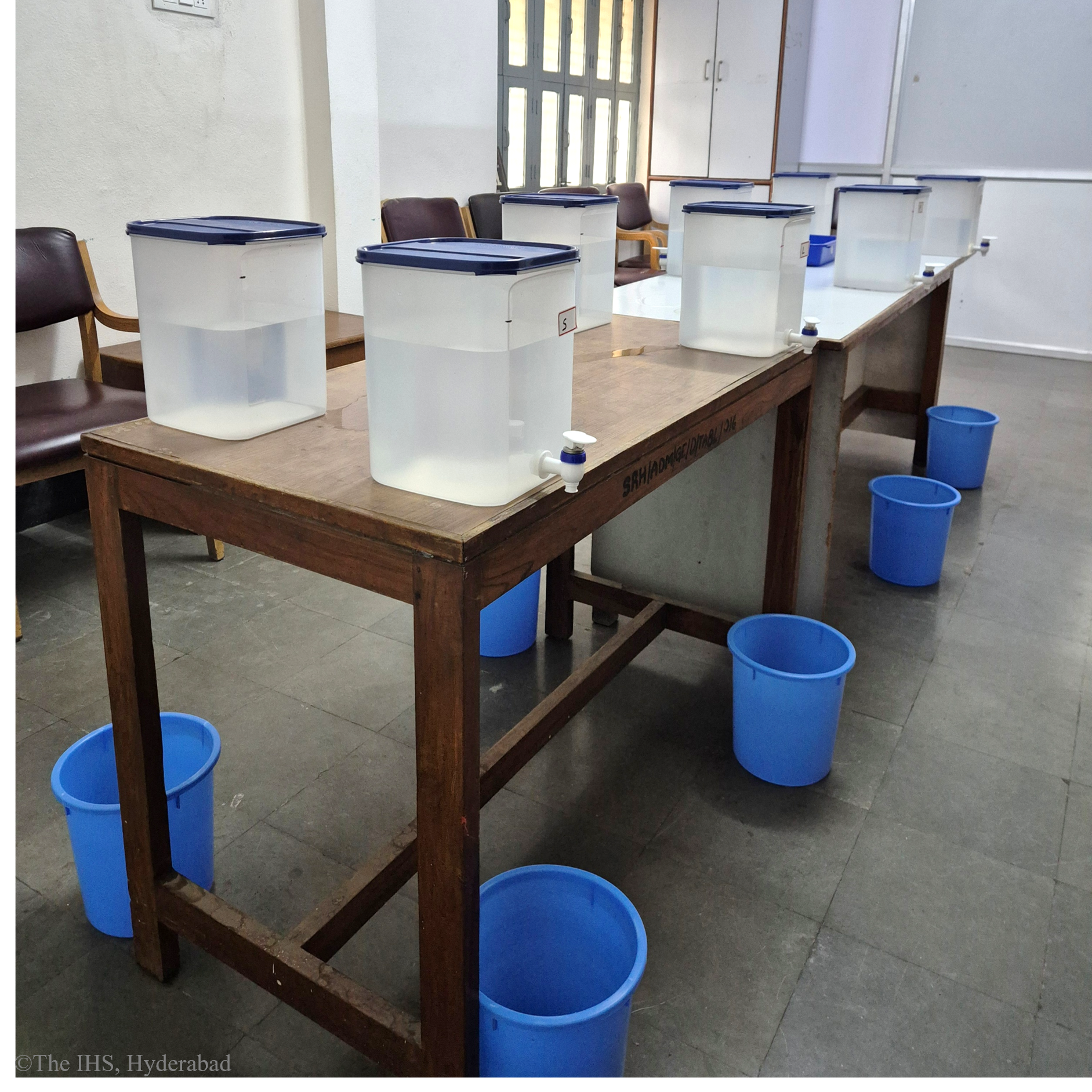
- To prepare the full range of chlorinated water for training and practice purposes, arrange about 8 to 10 numbers of 5 – 10L plastic water dispensers (Figure 8). Assign them labels using randomly ordered alphabets (say S, O, P, K, U, A, V, B, L, W), so that test takers cannot guess the level of chlorine in any dispenser from its label. Fill each dispenser with 5L of RO water. Dispense required volume of sodium hypochlorite solution into the respective dispensers to achieve the desired range of residual chlorine for testing purposes. Thus, one dispenser would be filled with RO water only (RC=0.0), another with RO water and hypochlorite solution to give a chlorine concentration of 5.0 mg/L. Similarly prepare chlorine spiked dispensers at 0.25 mg/L, 0.5 mg/L, 1.0 mg/L, 2.0 mg/L, 3.0 mg/L and 4.0 mg/L. Keep a record, mapping the dispenser labels to the chlorine concentration of water in each of them. When the dispensers are kept in random order, this record will be required by the instructor to identify chlorine concentration of respective containers.
Figure 8: Water dispensers to deliver chlorine-spiked water for training & practice in residual chlorine testing.
F. Training Sessions, Talking Points & Activities:
1. Demonstration & Guided Practice – High to Low:
- Introduce the Residual Chlorine Test Result & Bacteriological Sample Collection Record (RC Test Log).
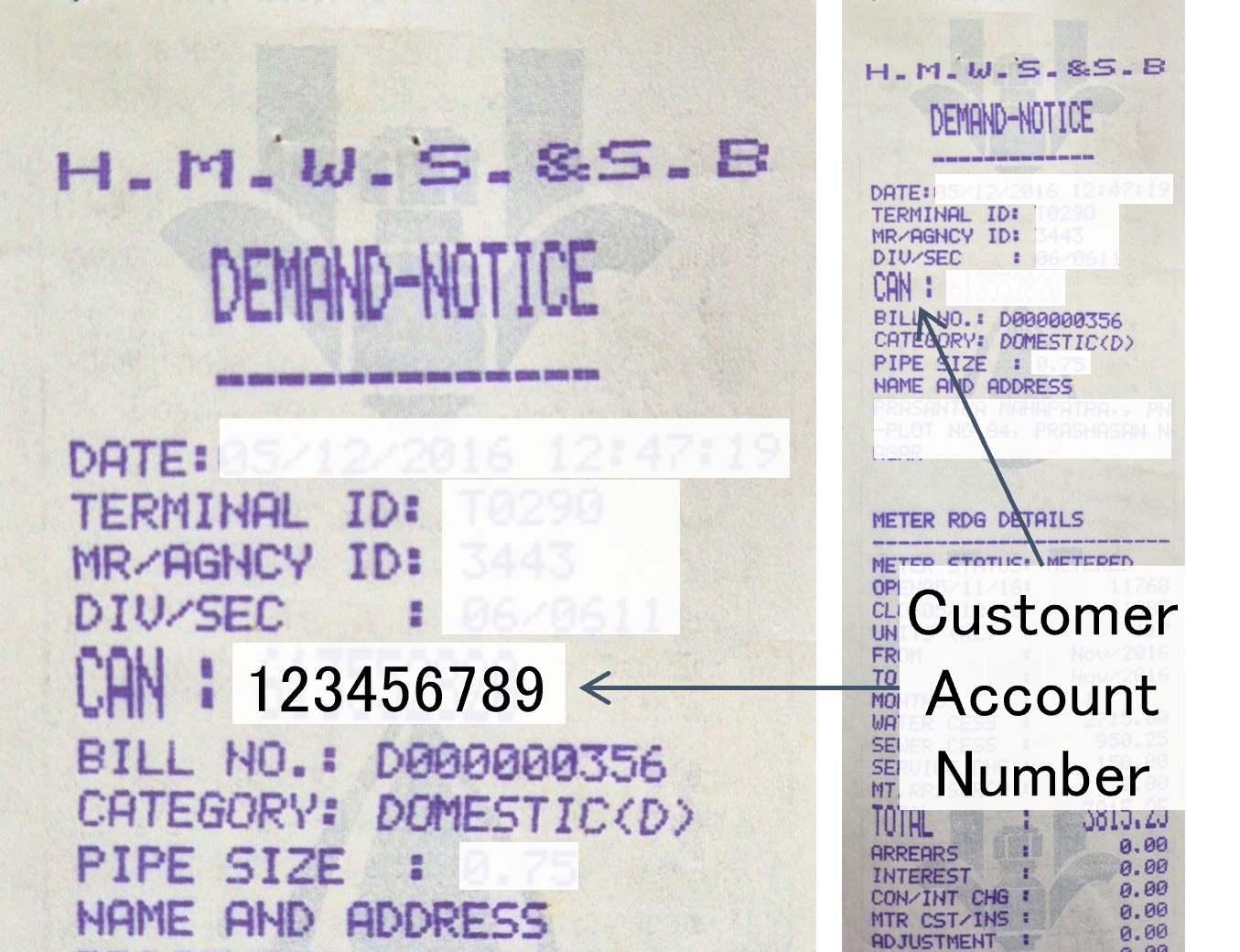
- In particular, explain about Hyderabad Metro Water Supply & Sewerage Board (HMWSSB) customer account number (CAN). Although the word ‘number’ is included in the abbreviation, the expression ‘CAN’ number is quite popular. The CAN number serves as a unique identifier for each water customer, linking them to their address, registered mobile number and account information. This 9-digit number is essential for filing complaints. The most straightforward way to find the CAN number of household is to look for the CAN on the water bill (Figure 8).
- Arrange chlorine spiked water dispensers in order of high to low concentration. The level of RC in the first dispensers should be about 5.0 mg/L, the last but one about 0.25 mg/L and the last dispenser should have plain RO water (RC=0.00 mg/L). Keep a bucket under each dispenser faucet to collect water flows at the time of testing. Keep adequate distance between the dispenser stations to allow enough space to testers at each station.
- Start by demonstrating RC testing at the first dispenser (RC ≈ 5.0 mg/L). Record results in RC Test Log.
- Distribute a copy of RC Test Log to each participant. Explain about the header fields (Date, Time, Slum Name etc.) and the test data log titled ‘RC Test Results and BottleId of Collected Samples’. Ask each participant to fill in the header fields in their respective RC Test Logs.
- Practice by participants: Let each participant test for RC at the first dispenser and record results in their respective RC Test Log. Instructor should standby and guide the participant as required.
- Proceed with demonstration of testing & logging of results followed by practice by participants, at the next four dispensers carrying water with RC ≈ 4.0 mg/L, RC ≈ 3.0 mg/L, RC ≈ 2.0 mg/L, RC ≈ 1.0 mg/L. Some of these dispenser stations can be skipped, if there is a constraint of time. But do not skip testing at the dispenser carrying RC ≈ 1.0 mg/L. Record results in RC Test Log.
- Finally, proceed with demonstration of testing & logging of results followed by practice by participants, at the last three dispensers carrying water with RC ≈ 0.5 mg/L, RC ≈ 0.25 mg/L and no RC (RC=0). Record results in RC Test Log.
- Collect the filled in log sheets from all participants.
Figure 9: A Snippet of RC Test Log.
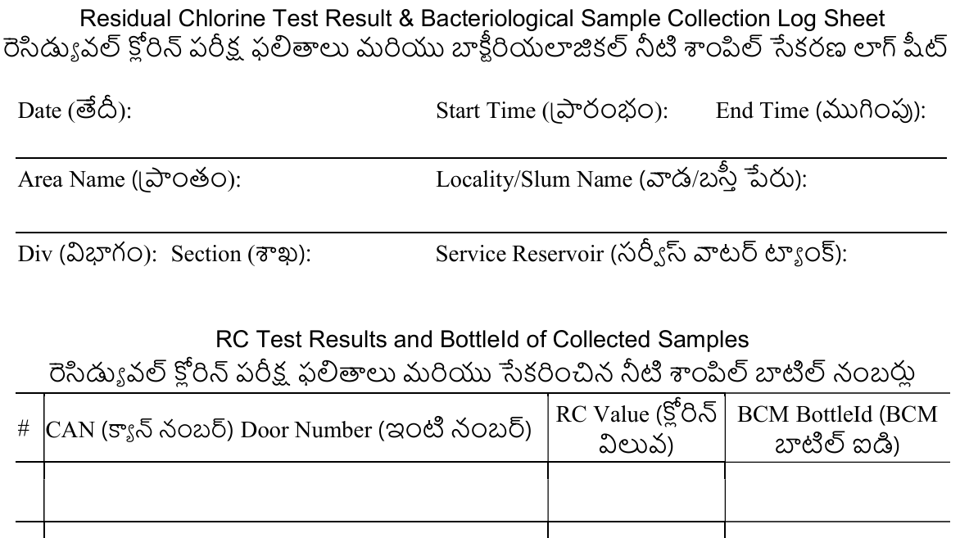
Figure 10: Hyderabad Metro Water Bill Snippet showing CAN number.
2. Independent Practice – High to Low & Recording in RC Test Log:
- Distribute fresh test log sheets and ask each participant to fill in the header fields.
- Let each participant perform RC tests starting with the highest RC concentration station and proceeding one after the other to the no-RC station. Instruct the participants to record results in log sheet after each test.
- Instructor(s) should stand back at a vantage point, observe the steps followed by each participant to perform the RC tests, and make notes using the trainee observation sheet. Depending on the number of participants, this may require more than one Instructor. In that case, the instructors should assign the participants among themselves, to avoid duplication and to avoid any confusion.
- Feedback to participants: Gather all participants. The instructor(s) should, one after the other, present feedback about test procedure followed by the candidates assigned to them. Mention about correct steps. Then mention about steps that could improve. Emphasise outright mistakes.
3. Independent Practice – Low to High & Recording in RC Test Log:
- Continue with the previous arrangement of chlorine spiked water dispensers in order of high to low concentration.
- Distribute fresh test log sheets and ask each participant to fill in the header fields.
- Let each participant perform RC tests starting with the no-RC station, then the lowest RC concentration station and proceeding one after the other to the highest RC concentration station. Participants to record results in log sheet after each test.
- Instructor(s) to observe the participants work, make notes and provide feedback.
4. Residual Chlorine Testing Practical Examination:
- Rearrange chlorine spiked water dispensers in random order.
- Distribute fresh test log sheets and ask each participant to fill in the header fields.
- Let each participant perform RC tests starting with the first station, then the station number-2 and so on till the last station. Participants to record results in log sheet.
- Collect filled in log sheets. In each participant’s log sheet write the known concentration for each station and calculate the difference between test result and known value.
- Gather all participants. Discuss results of each participant.
G. Frequently Asked Questions (FAQs) & Answers:
1. Why extra chlorine is added in the municipal water before supply?
Extra chlorine is added to municipal water to provide a "residual" disinfectant that protects against recontamination in the distribution system, killing bacteria that could enter through leaks or pipe breaks, and to ensure the water remains safe from the treatment plant all the way to the consumer's tap. This residual is a form of secondary disinfection that inactivates harmful microorganisms, preventing waterborne illnesses like typhoid, cholera, and dysentery that were once common before the widespread use of water disinfection.
The level of chlorine gradually reduces as during transit in distribution system, as some of it is consumed by reactions with organic matter in water and/or the distribution line. This is the reason why residual chlorine levels tend to be lower in distal ends of distribution system or in areas served by aged (old) distribution systems. To address this problem, water utilities usually increase the level of booster chlorination at service reservoir level, so that the farthest consumer area receive water with required levels of residual chlorine for adequate protection. Slightly higher levels of chlorine up to 5 mg/L does not have any adverse health effect. On the other hand, water with low levels of chlorine, say below 0.5 mg/L would be vulnerable to contamination, while in transit.
2. We are using DPD Rapid Tablets. Are there DPD Slow Tablets?
Yes, in addition to DPD Rapid tablets, there are also DPD tablets that dissolve more slowly, commonly known as Instrument Grade or Photometer Grade tablets. The main difference between the two types is how they are designed to dissolve and the type of equipment they are used with.
The Rapid tablets Dissolves quickly because it contains a disintegrant filler that breaks the tablet apart. Rapid tablets are used with visual colour comparators. The disintegrant filler can leave the water sample with a cloudy, white tint. This does not affect visual colour matching. Rapid tablets give reliable results for visual tests, but the cloudiness makes it unsuitable for accurate readings with a digital meter.
The Instrument grade aka photometer grade DPD tablets dissolves slowly as it does not have disintegrant filler. The instrument grade DPD tablets are used with digital photometers and colorimeters, which electronically measure the intensity of the colour change. These tablets, when dissolved do not interfere with machine reading of colour change due to the chemical reaction of chlorine with DPD reagent.
Caution!
Using the wrong grade of DPD tablet can lead to inaccurate results!
3. What is the meaning of DPD tablet number? Are there DPD #2 & #3 tables in addition to DPD 1 tablet?
DPD is a reagent that turns pink or purple in water when it reacts with chlorine, indicating its presence. The different DPD numbers refer to specific tablets that help determine different forms of chlorine.
Yes, DPD 1, DPD 2, and DPD 3 tablets exist, along with DPD 4, each measuring a different aspect of chlorine in the water: DPD 1 measures free chlorine, DPD 2 measures monochloramine (a component of combined chlorine), and DPD 3 measures dichloramine or combined chlorine (monochloramine + dichloramine). DPD No. 4: Measures total available chlorine, which is the sum of free and combined chlorine.
4. What happens if the DPD tablet is touched by hand?
Habitual or repeated handling raw DPD tablet can cause skin irritation. Best way to deal with skin exposure to DPD tablet or powder is to wash off the area with water. Avoid contact with eyes.
5. What happens if someone accidentally swallows a DPD tablet?
DPD tablet of powder is harmful if swallowed. It can cause gastrointestinal irritation, nausea, vomiting, and diarrhea.
First Aid & Treatment:
a) Do not: try to induce vomiting.
b) Rinse the mouth: with water and have the person drink 1-2 glasses of water or milk.
Seek medical help: if there is persistent vomiting, abdominal pain or general feeling of sickness or if the person has difficulty swallowing or the person has difficulty in breathing.
6. What happens if DPD tablet/powder/solution gets into the eye?
DPD powder or solution can cause irritation to the eyes. First Aid:
a) Immediately flush the eye with clean water for at least 15-20 minutes. Use a strong, steady stream of clean water to rinse the eye. You can use bottled water, or tap water.
b) Remove any contact lenses and open eyelids wide apart.
c) Do not rub the eye: Rubbing can make the injury worse.
Delayed or inadequate flushing of the eye and/or excessive exposure can cause serious eye irritation with symptoms like stinging, burning, redness, and blurred vision. In that case, seek immediate medical help, preferably an eye care centre.
7. How should the DPD tablets be stored?
DPD tablets should be stored in a cool, dry place, away from heat, sunlight, moisture. The foil packed DPD tablet strips can be carried to the field in one’s pocket or hand bag. DPD tablets should not be taken out of its foil packing in advance. Instead, the tablets should be pressed into the test tube with water sample, at the time of testing.
Do not store DPD tablets anywhere near the shelf, box or container where you store medicines. Keep in a place that is inaccessible to children. Keep it in a manner so that it is not confused with any medicine.
8. Is DPD a hazardous chemical?
DPD is assigned the signal word ‘Warning’ in the Globally Harmonized System (GHS), which indicates a less severe hazard compared to the ‘Danger’ signal word. It alerts users to the presence of a potential hazard that, if not avoided, could cause minor or moderate harm. Even though the hazard is less severe, it is still important to take precautions.
9. What is DPD? What is the active chemical in DPD tablets?
DPD (N, N-diethyl-p-phenylenediamine) is a chemical reagent that reacts with chlorine to produce a pink color. The intensity of the pink color is directly proportional to the amount of free or total chlorine in the water sample.
When DPD reagent comes into contact with chlorine (specifically free or combined chlorine), it undergoes an oxidation reaction. This reaction forms a distinctive pink or magenta-colored compound. A darker pink indicates a higher concentration of chlorine, while a lighter pink signifies a lower concentration.
The DPD method provides precise and reliable measurements of chlorine levels. t's used in various settings, including swimming pools, drinking water treatment, and industrial process water. The test is straightforward and can be performed with simple test kits, tablets, or digital testers.
10. Do I need to wash hands even if there is no plan to collect samples for laboratory analysis?
Contamination of sample with organic residues from your hand can affect test result for residual chlorine. If you do not wash your hand before starting field testing work, organic residues from your hand may inadvertently get into the test tube along with water sample and consume some chlorine. This may affect the test result, particularly if the level of residual chlorine is low.
-------------

To pick up sample collection bottle and/or schedule collection of samples: Email: ihslab@ihs.org.in with your address and contact telephone; OR WhatsApp: +919848011251; Or Call: 23211013/4.